




PROJECT NEWS

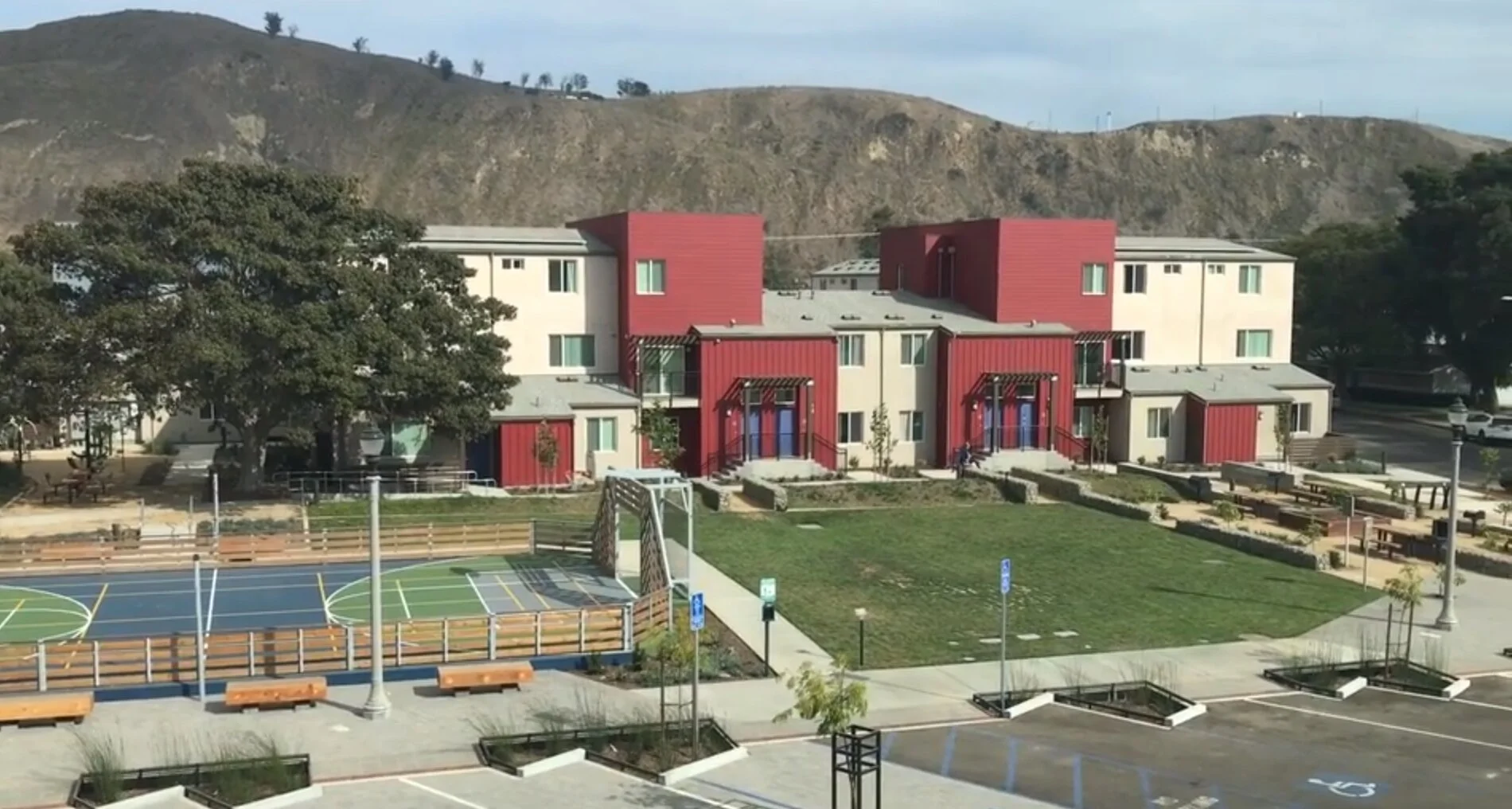
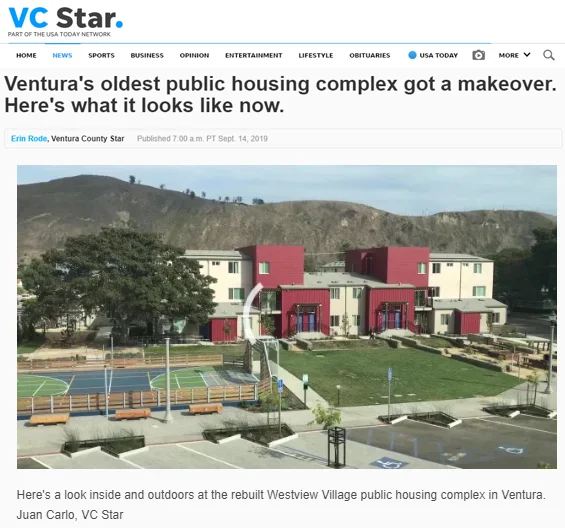
WESTVIEW VILLAGE
Ventura, California
Project Background:
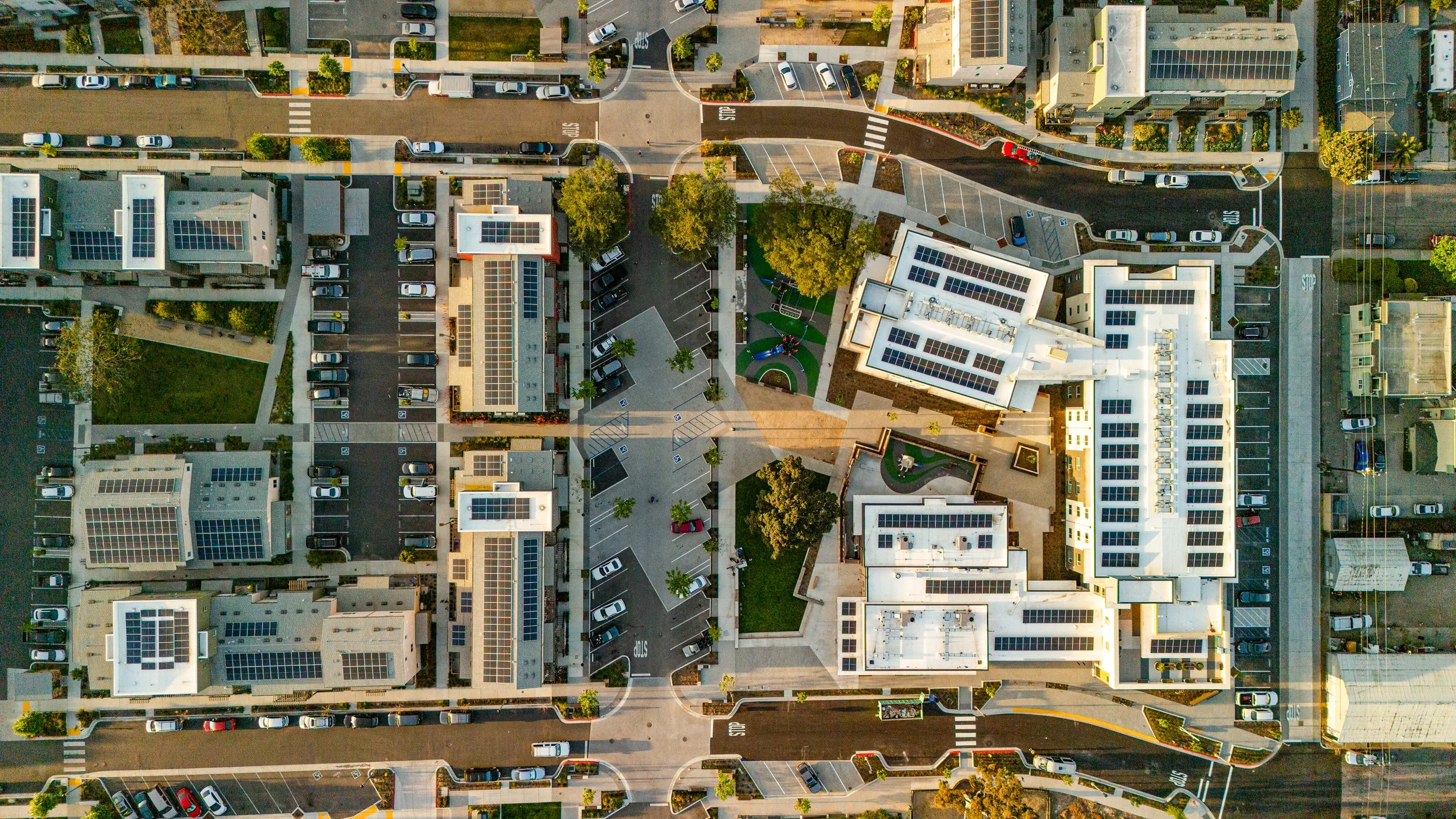
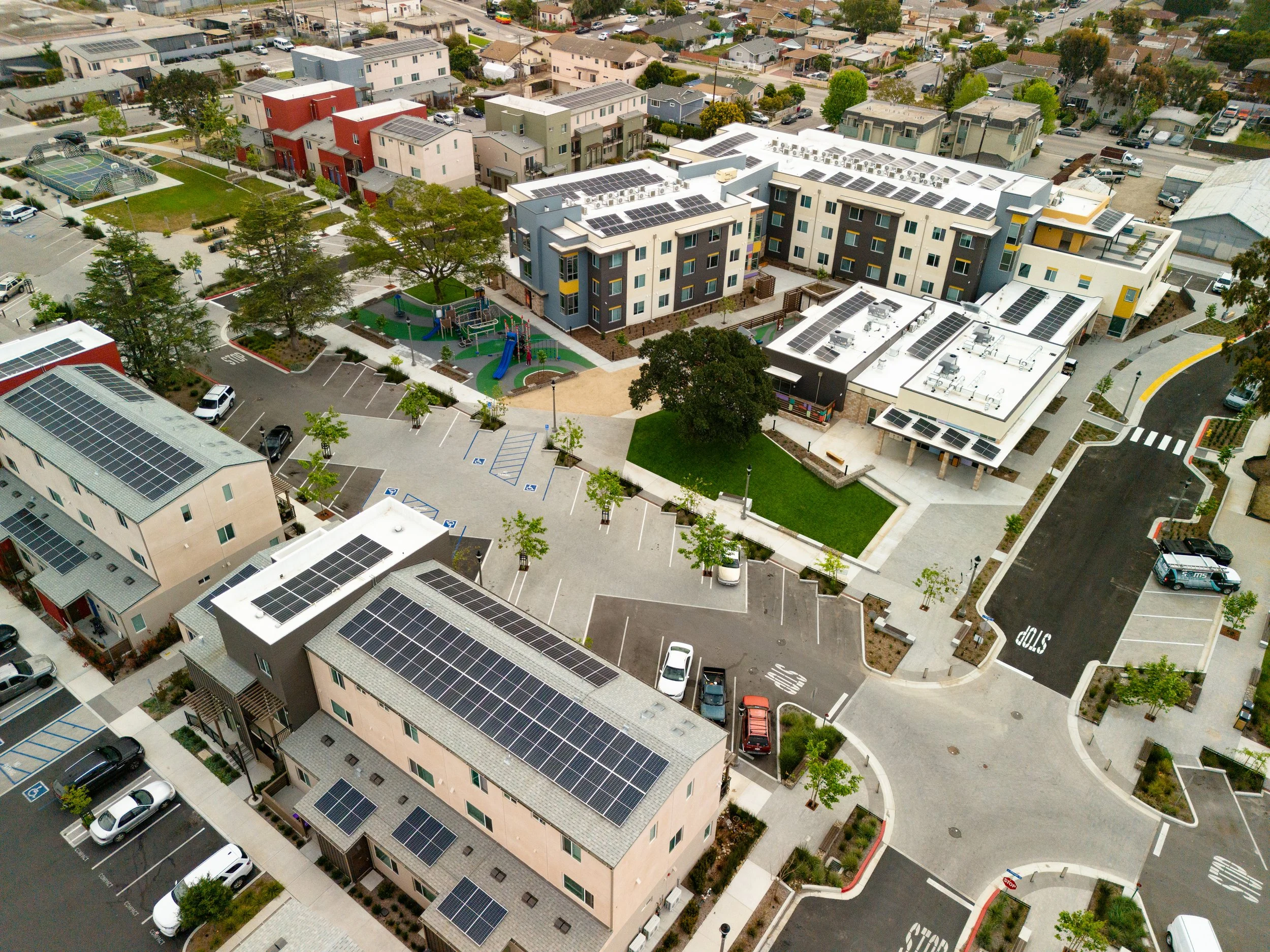
Pacific Coast Land Design (PCLD) served as landscape architect and key design partner for Westview Village, a transformational 20-acre affordable housing redevelopment in Ventura’s historically disadvantaged westside. Originally built in the 1950s to house families displaced by construction of U.S. 101 through the Tortilla Flats neighborhood, Westview Village has been re-envisioned as a model of equitable and resilient community design.
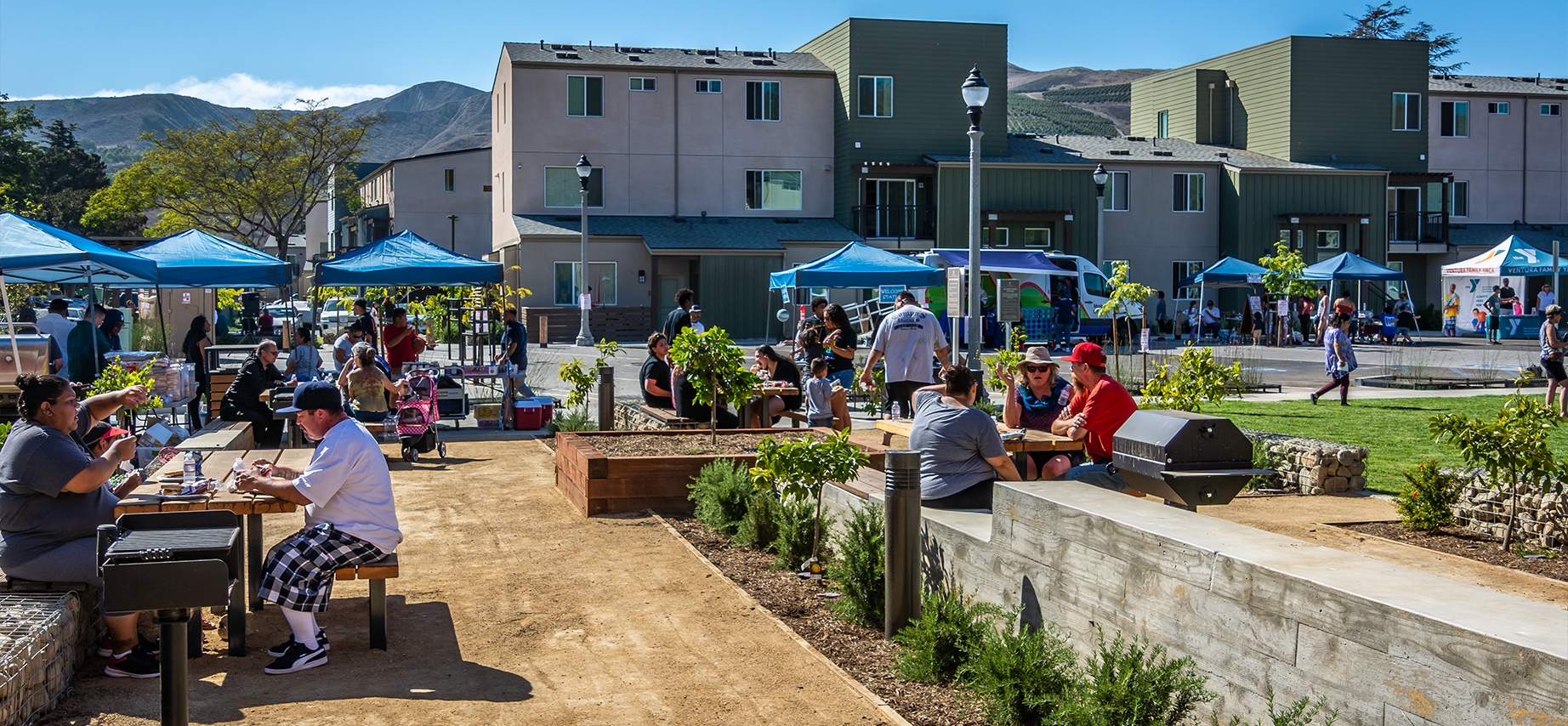
Over more than a decade and three completed phases, PCLD helped deliver 280 new affordable rental homes while keeping families on-site throughout construction, with 40 affordable for-sale units planned. Rooted in deep community engagement, the design reflects residents’ desire for courtyards, shade, and gathering spaces that foster connection and pride.
At the heart of the redevelopment lies Village Way, a three-block-long living street that links homes, parks, and community amenities while integrating green infrastructure through bioswales, stormwater planters, and a central amphitheater that also serves as stormwater detention and community gathering space. The landscape features edible gardens, a citrus orchard, and rooftop terrace gardens that promote food access and social interaction.
In recognition of its design excellence and community impact, Westview Village received a 2025 Honor Award from ASLA Southern California in the Residential Projects over $300,000 category. Through close collaboration with Ventura Housing, architects, and engineers, PCLD helped shape a cohesive and enduring neighborhood that demonstrates how landscape architecture can lead the transformation of affordable housing into places of resilience, dignity, and belonging.Client:
Ventura Housing
Scope of Work:
Site Planning and Design, Public Outreach, Construction Documentation, Construction Administration.
Sustainability:
PCLD’s sustainable design strategies include graywater reuse, solar integration, native and drought-tolerant planting, and more than 400 new trees, supporting LEED Neighborhood Development goals and net-zero energy operations for Phases 2 and 3. Material choices emphasize durability, warmth, and local sourcing, with inventive solutions such as orchard parking that integrates canopy trees into parking areas without sacrificing open space.